Curatorial text by Juan Francisco Rueda.
Ela Fidalgo's works have the rare and valuable ability to become thresholds that, as subjects-in-play, as people who experience her projects, place us before realities that concern us, but more importantly, place us before ourselves. Thresholds for a transition and for a possible transformation, as in Fragmento ausente. Thresholds that allow us to glimpse very different scenarios, but which are equal in our emotional response and in the need for care in the face of them, whether in the face of the genocides and humanitarian crises that plague the world, or in the face of the individual and family drama of illness or absence. Ela Fidalgo cannot turn her back on the conflicts of her time or ignore social symptoms, but neither can she avoid what is closest to her, the anxieties that may exist in her inner circles, in the fear of illness or death. This means that her work responds both to the public and the intimate. And so, her universe could well be defined as a politics of love, gestures, and care.
The artist offers us refuge from adversity, from the pain that dominates the world. But her refuge, like any refuge that is offered, is not a place of escape: it is a momentary retreat from calamity and opprobrium, knowing that we must return to them after that period of distance, knowing that they exist, that they persist. In fact, this refuge can act as a sounding board, as an introspective experience of pain and anguish. However, it can have the opposite effect—like a kind of catharsis—of becoming an exercise in recognition in others, in those other people who gather in that safe space, in the community, in the images and texts that Ela Fidalgo creates to bring about that revelation. It is not surprising, therefore, that we speak of a threshold. In itself, that experience can be a transition. How difficult it is to write, even figuratively or metaphorically, about something that has not been experienced. I am referring to naming shelters in vain. How little I know—I think, fortunately, how little we know—about what it feels like to be in a shelter, what a shelter means. We are spectators and, therefore, we assume a distance, we experience a story from afar.
She herself recounts this in many of the texts that fill her works, sometimes embroidered, word by word, stitch by stitch, as an act of adherence and taking a stand, of becoming indelible, of fixing oneself, of remaining on the skin like a scar or tattoo, as a life lesson. Her texts challenge us. It is impossible not to recognize ourselves in them. She speaks of us, and she does so from a place of understanding, incorporating herself: Everything that burns outside also burns inside. Emptiness is not silence: it is a scream. The images hurt us, but we have learned to turn the page. The pain of others has become distant, even when it is right next to us.
Susan Sontag, in Regarding the Pain of Others (2003), a reflection on the response that images of death, pain, and mutilation documenting war generate in us, said: There should be no assumption of “us” when the subject is looking at the pain of others. And she elaborated a few pages later: Being a spectator of calamities that take place in another country is an intrinsic experience of modernity, the cumulative offering of more than a century and a half of activity by these specialized and professional tourists called journalists. This was said by someone who had witnessed the horror in Sarajevo and who lived with the poignant images that his partner, Annie Leibovitz, had taken not only of that genocide on European soil, but also of the genocide of the Tutsi population in Rwanda, which took place at almost the same time.
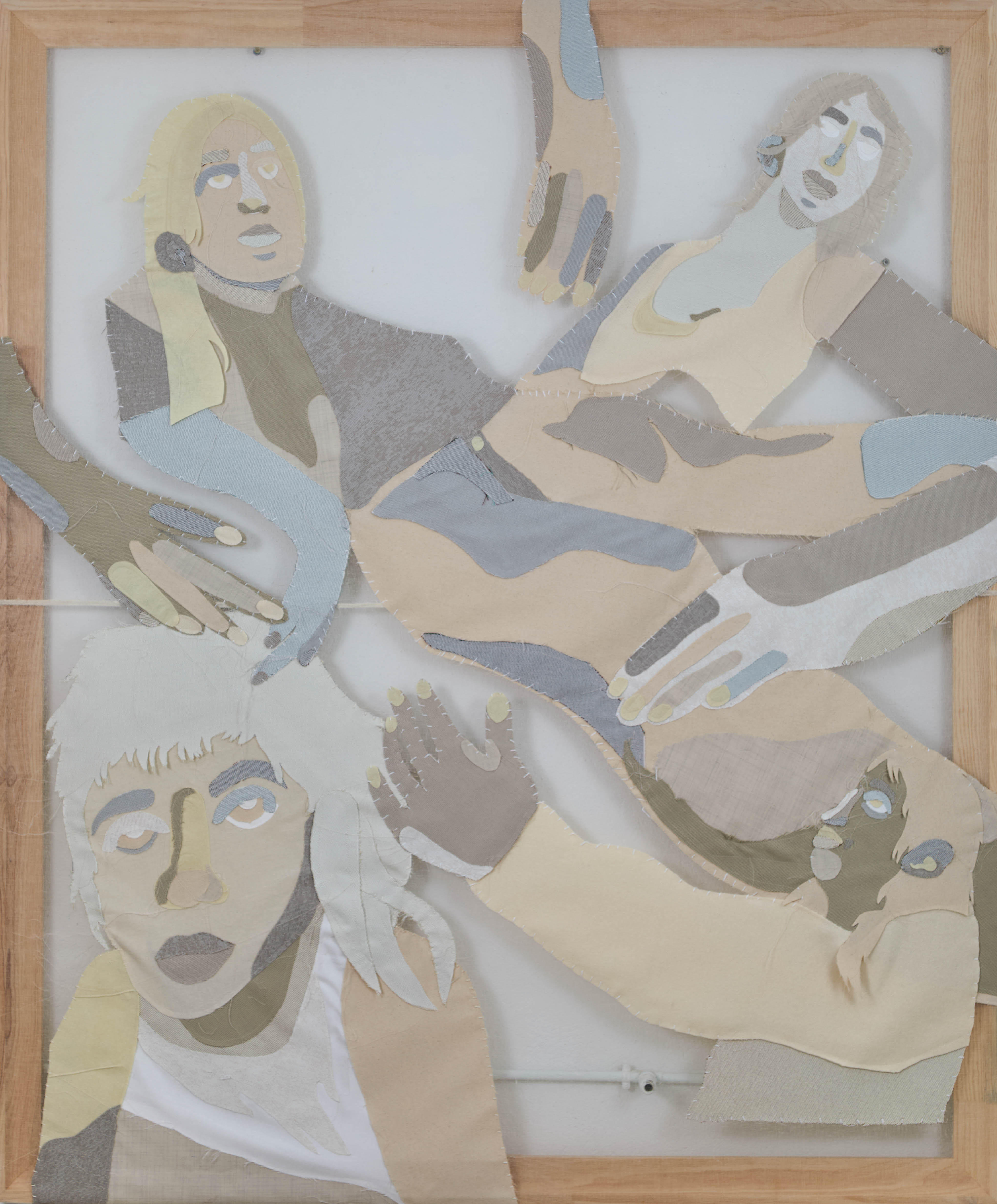
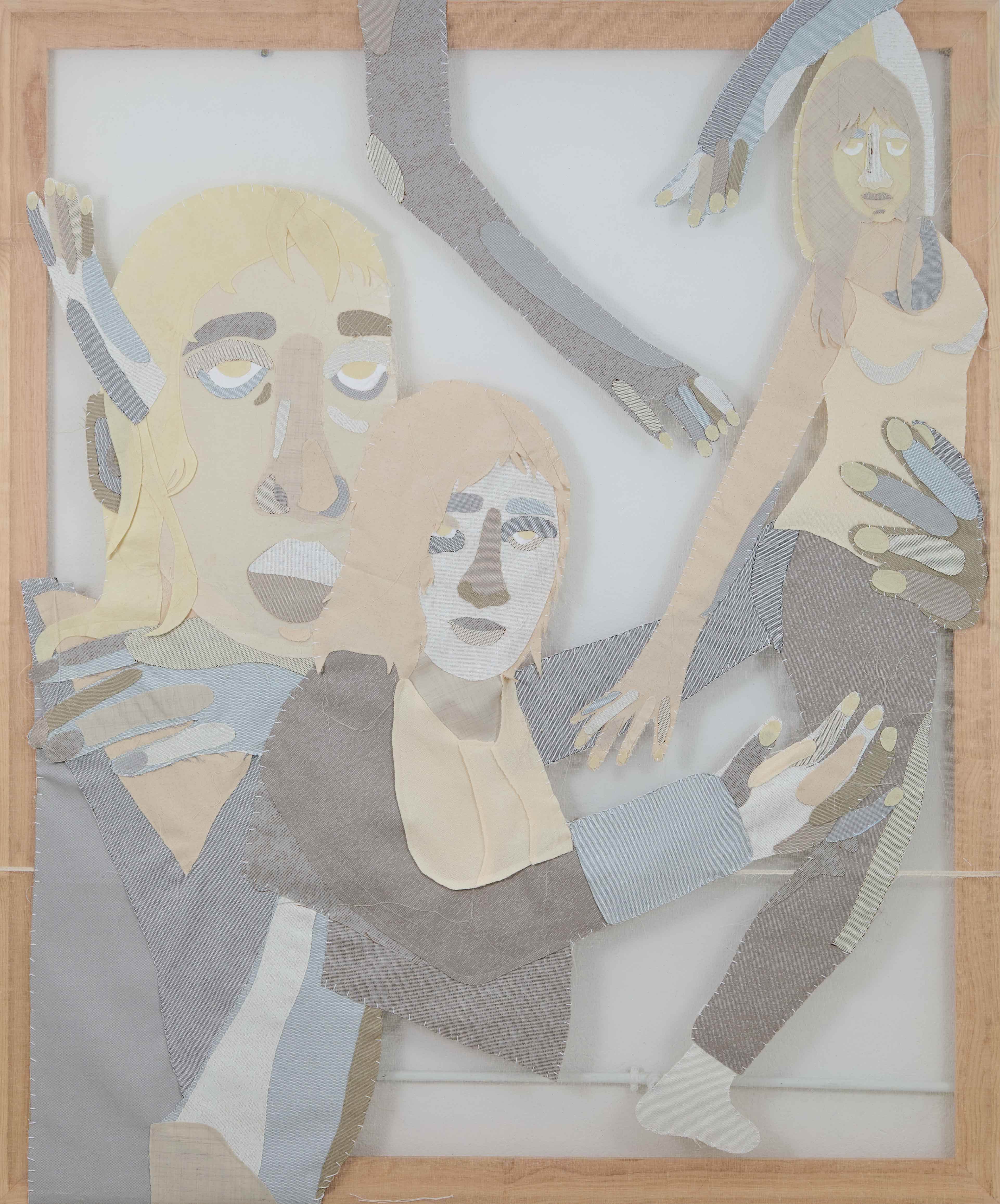
The politics of gestures is universal and timeless. Pain manifests itself in the same way throughout time and across different latitudes. Are not Käthe Kollwitz's impressive 1903 drawing Woman with Dead Child and Mohamed Salem's striking photograph taken in the morgue of Nasser Hospital in Jan Yunis, in the southern Gaza Strip, which won him the 2024 World Press Photo award, essentially the same? They represent the same thing, with the same intensity, unless we are influenced by a biased judgment regarding identity. As Sontag herself argued: For militants, identity is everything. In other words, for militants, ties or prejudices will create distance, preventing them from representing the same thing. Aby Warburg referred to these images that seem to repeat themselves over time as transtemporal images or surviving images, largely because they represent the pathosformel, a kind of pathetic reaction of human beings. An elemental, shared reaction that unites us and makes us equal in suffering. Many of the white beings shaped by Ela Fidalgo modulate this pathetic reaction: pain and the need for comfort, collapse and support, loss and compassion. They all touch, they let themselves be touched. They all embrace, they let themselves be embraced. They all unite. The immense hands that mark this transition demand as much as they offer. Contact. Union. Peace. Calm. Merging. There is something—we might say—instinctive or unconscious that links affection to touch and malleability, to an entirely physical and phenomenological dimension. Through sight, we also obtain that haptic, tactile, or malleable quality and its accompanying sensations. As mammals, we possess the quality of grasping, which is linked especially to the behavior of breastfeeding, a moment of union and connection. Ela Fidalgo weaves and plots beings that merge, that achieve peace, that transmit it to us, and in which we can recognize ourselves.
If Ela Fidalgo's work has been characterized by a confessional tone, which is maintained and increased in this installment, it is now joined by a body of writing that is not only understood as a substrate or exercise in theorizing her poetics, since it accumulates and verbalizes many of the essential issues and conveys the creator's commitment, but also becomes a work in its own right, as it occupies and gives meaning to many of her pieces. It is not exclusively a question of her artifacts being mere supports on which the creator's reflective output is displayed. Not at all. The text occupies the canvases in a semantic way, adding meaning and reinforcing their significance. Words that warn of the threshold that is crossed or that are sewn, like sutures, onto the canvases. Words that challenge us and take on a specular quality thanks to their ability to reflect us.
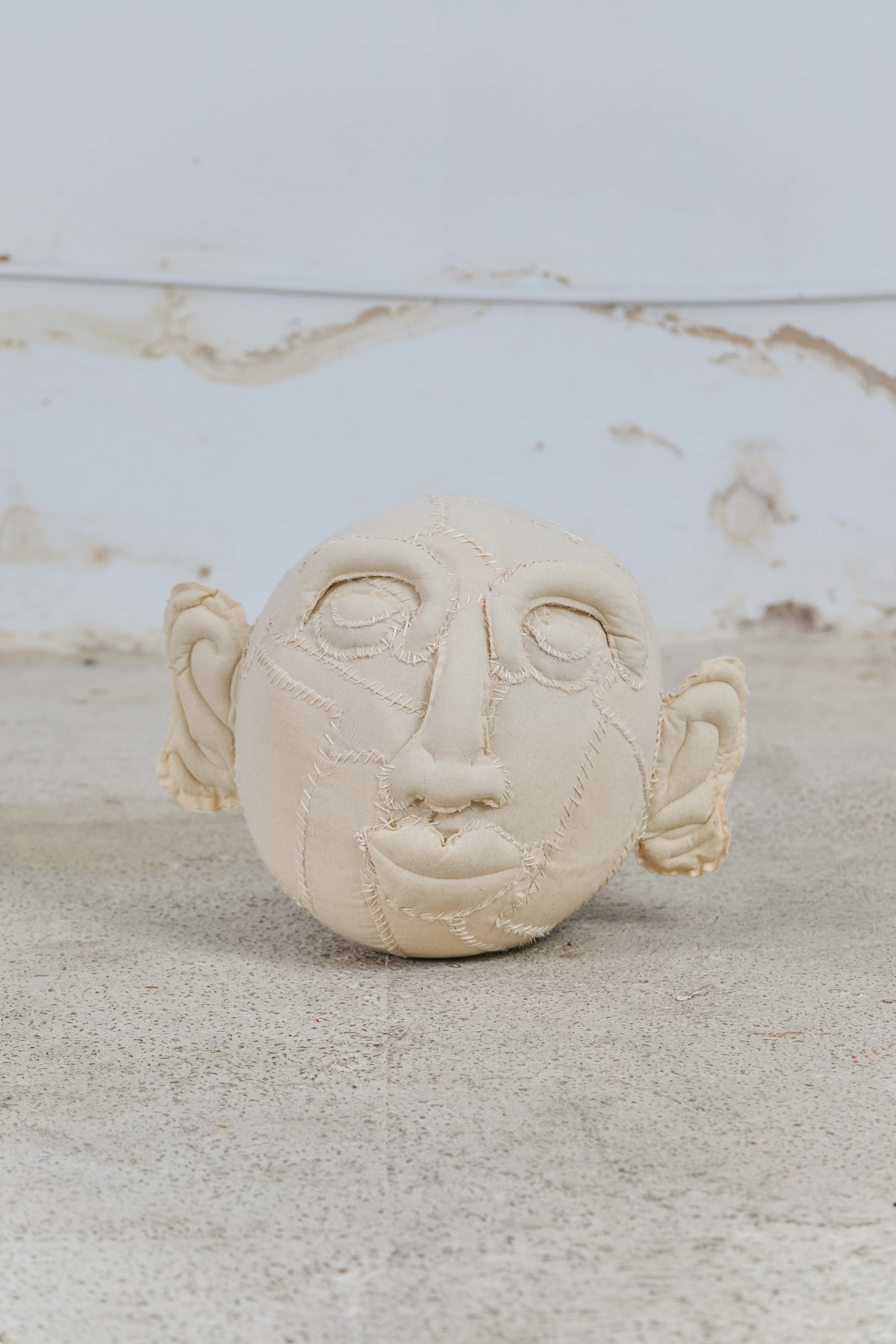
Discourses surrounding identity have been one of the core themes of Ela Fidalgo's work. For much of her career, this interest has focused on questioning the normative body and, therefore, the canon imposed by the mass media and fashion, the disciplinary field from which the Mallorcan artist comes, generating one of the epidemics of our time: eating disorders (EDs). However, although her stance against the canon is evident in Fragmento Ausente (Absent Fragment)—consider how many of the bodies continue to align themselves with a dimension of the divergent and monstrous—Ela Fidalgo now slides from or toward other foothills. The target of her beings not only aspires to achieve a zero state of identity, aided by the elemental nature of the bodies—even, in some cases, gender indefiniteness, the non-binary—and the primacy of the features, which recover a certain primitivism, as revealed by the almond-shaped eyes or the marked ciliary arches. The idea of community, both as an object (represented) and as a subject (as an agent), has always been incorporated into her pieces. Her assemblages of bodies spoke precisely of the collective, but also, many of her pieces, both two-dimensional and volumetric, were made by groups of people. Many were executed in his studio, in that sort of refuge, nest, or shell—if we were to use the images that Bachelard employed to symbolize the home—with the participation of his family. This is a first collectivity, which coexists and is recognized in the work and, above all, in what that common project represents. These pieces, as a kind of witness, had a legend—embroidered and sewn, of course—informing us of the people who worked in the community, as well as the time spent. Other pieces, generally volumetric, such as Niki de Saint-Phalle's Nanas, are usually created during exhibitions, with visitors and invited groups (prisoners, patients with eating disorders, sick people, people at risk of social exclusion, etc.) able to participate. These sessions, in which Ela Fidalgo herself participates, take on a strong emotional intensity and foster bonds and recognition within the community. It is no exaggeration to say that they are cathartic, as their work takes on the nature of a threshold and a transition. More than ever, and based on the experiences mentioned above, the community now recognizes itself through care, the needs of others, the politics of gesture, and love. The community is projected as something tangible, like a cushion that softens pain and allows for transformation and resilience. Herein lies the transcendental nature of crossing this threshold that is Fragmento Ausente: the awareness of our limits and needs. And those of others. A matter of tact.